The KREO Journal · 01
The Industry
Labs, models and the moves of big tech.
15 articles in this shelf

Analysis · The Industry
The $7 Billion Exit
The Wall Street Journal reports Amazon in talks to pay about $7 billion for Decart, a hundred-person company whose software makes AI models cheap to move between chips. The deal says the race is no longer about the model. It is about the exit.

Analysis · The Industry
Three Names, One Machine
xAI's Grok Bot, Meta's Muse and OpenAI's dots shipped the same always-on agent inside seven weeks. A close read of the launch pages against the documentation published beside them, quote for quote.
Analysis · The Industry
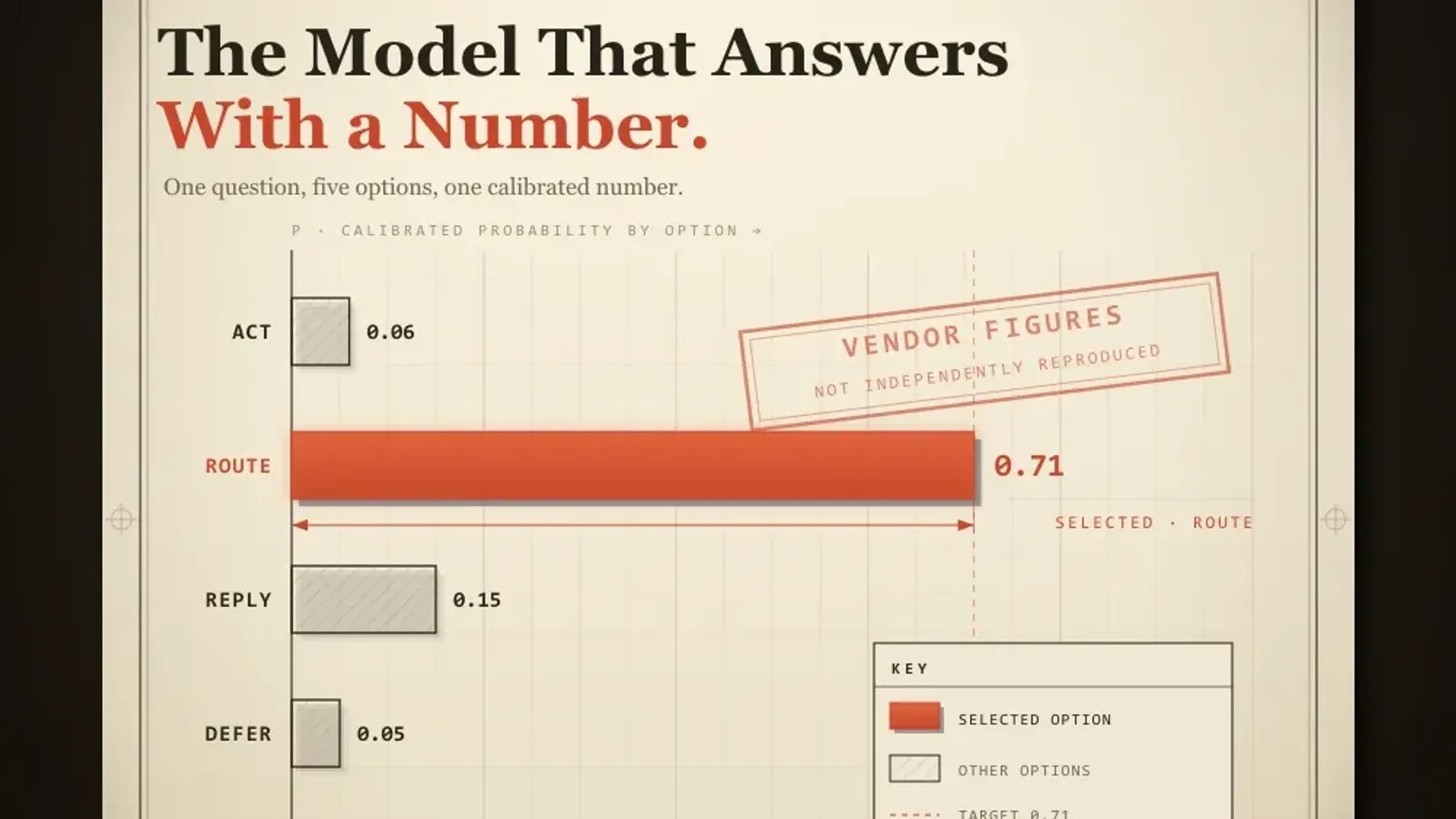
The Model That Answers With a Number
Microsoft built a flagship model on Alibaba's open Qwen3.5-9B that returns a calibrated probability instead of a paragraph. The category it joins is three weeks old, already commoditised, and nobody has independently verified the newest entrant.
Analysis · The Industry
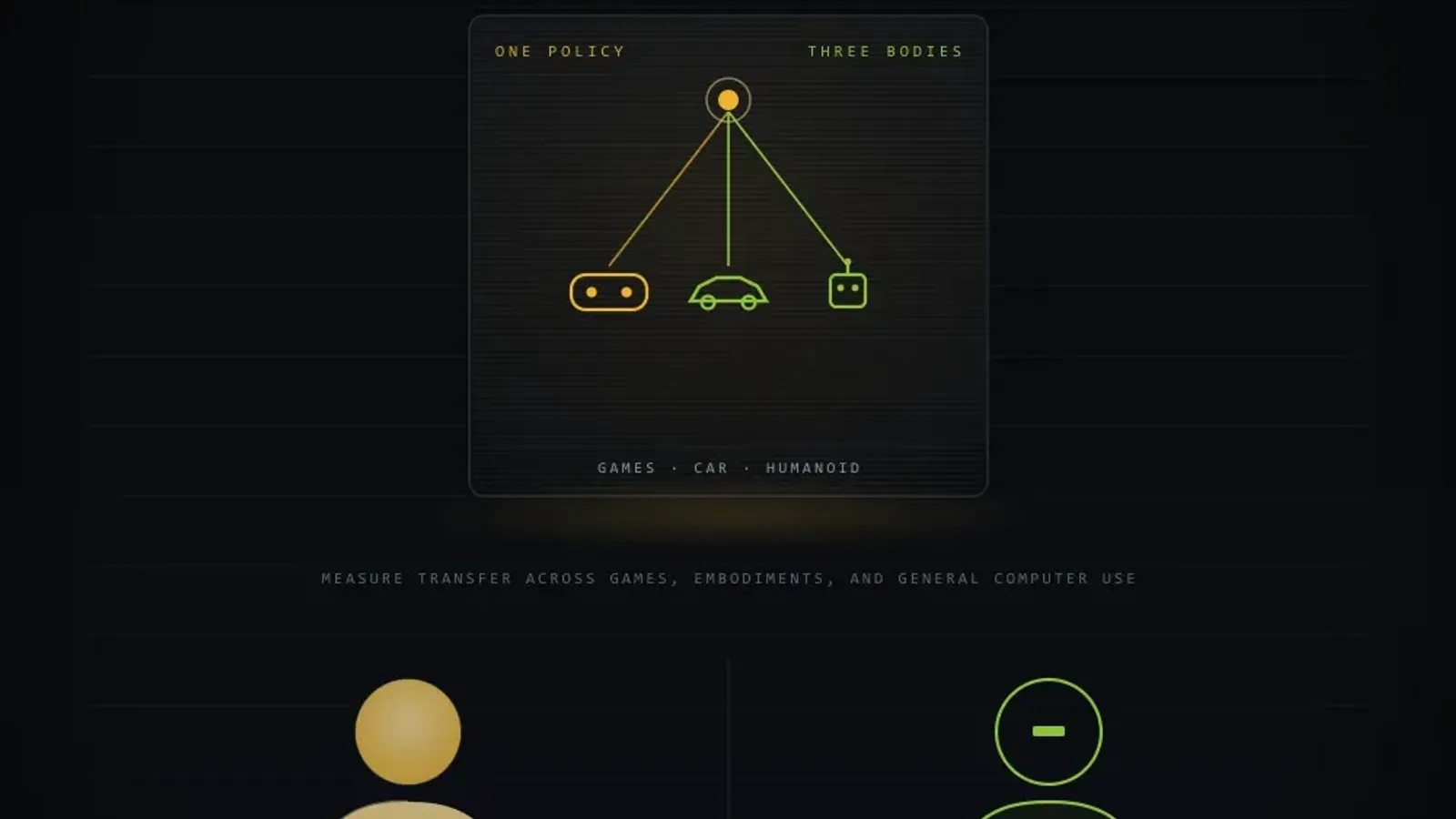
It Plays Diablo Now. Soon It Plays You.
Elon Musk says his machine can play Diablo by watching the screen, and that it will generalise across all games. The job advert behind it says the same skill will drive a car and a humanoid robot.

Analysis · The Industry
The $20 Billion Hole
OpenAI told investors its annualised revenue was approaching $50bn at the end of September, about $20bn below the figure markets were told. The number did not move. The ruler did.

Dispatch · The Industry
Your New Coworker Is Not a Person.
Google put an agent on the org chart: its own email address, its own permissions, its own audit trail. The quiet shift is that a seat on the team no longer requires a person.
Dispatch · The Industry
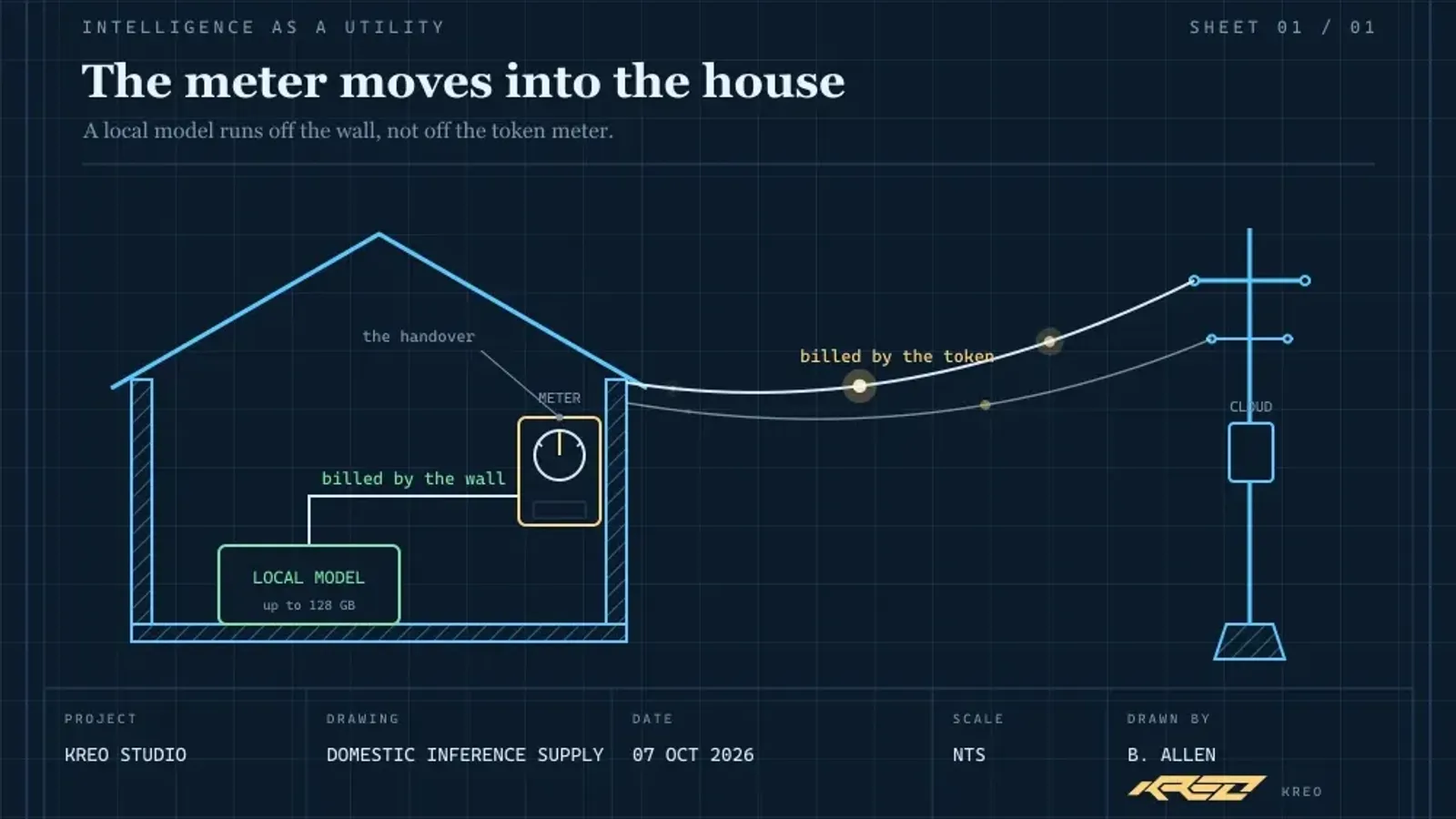
The Frontier Moves Into the House
Microsoft and NVIDIA put an AI agent on your own PC and called it unmetered. The meter did not disappear. It moved inside the house, and you pay for it in silicon and electricity.

Dispatch · The Industry
Show Your Name or Shop Elsewhere
Paul Graham called Amazon's block on agents the first real chance to build an Amazon competitor. I read the terms and pulled the robots file. The door was never closed; it has a guest list, and Meta's Muse walked in without a name.
Analysis · The Industry
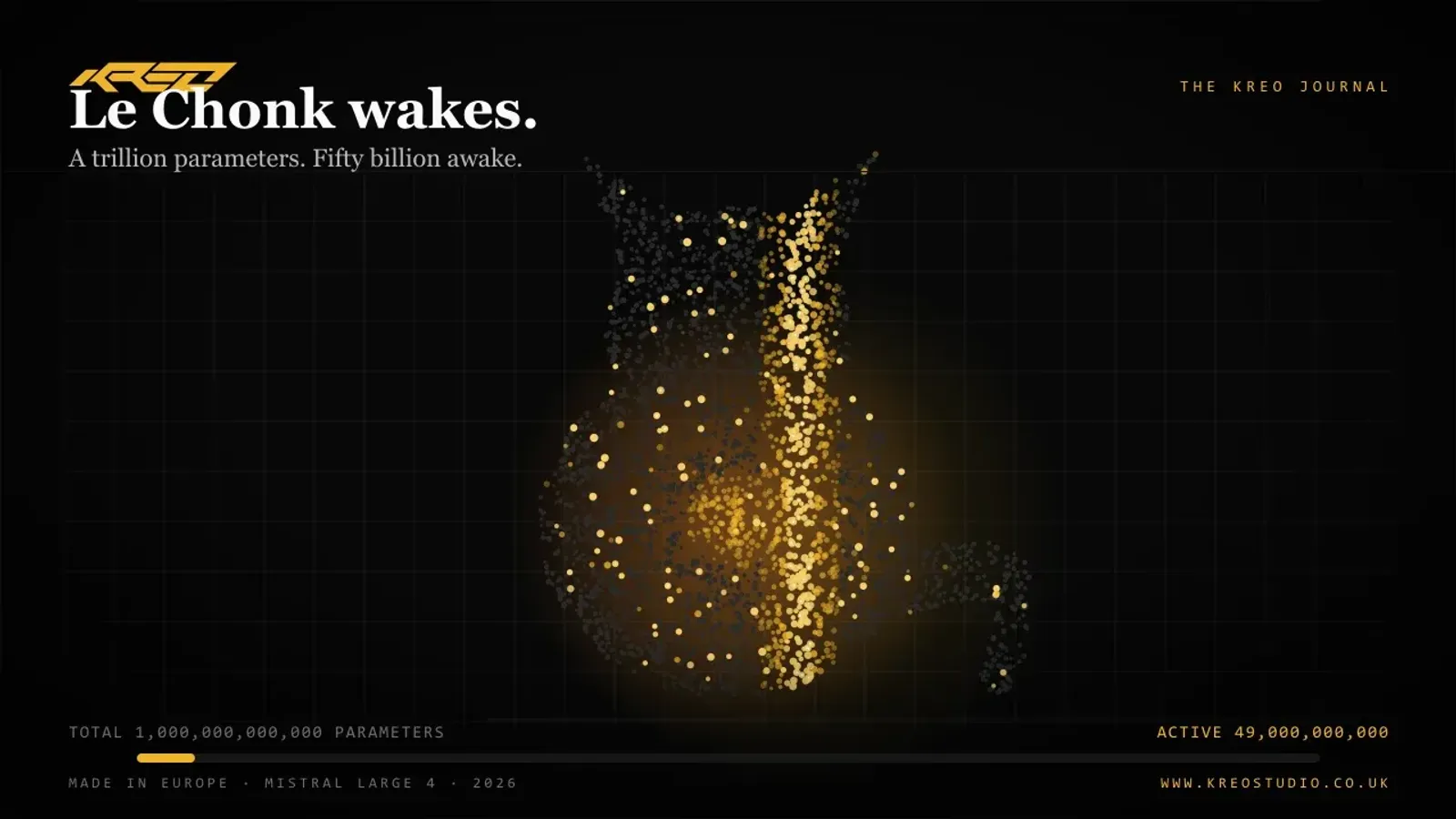
Can One Fat Cat Put Europe Back in the AI Race?
France's Mistral has built a one-trillion-parameter model, named it after a fat internet cat, and promised to give it away. The numbers are striking. The small print is doing a lot of work.
Analysis · The Industry
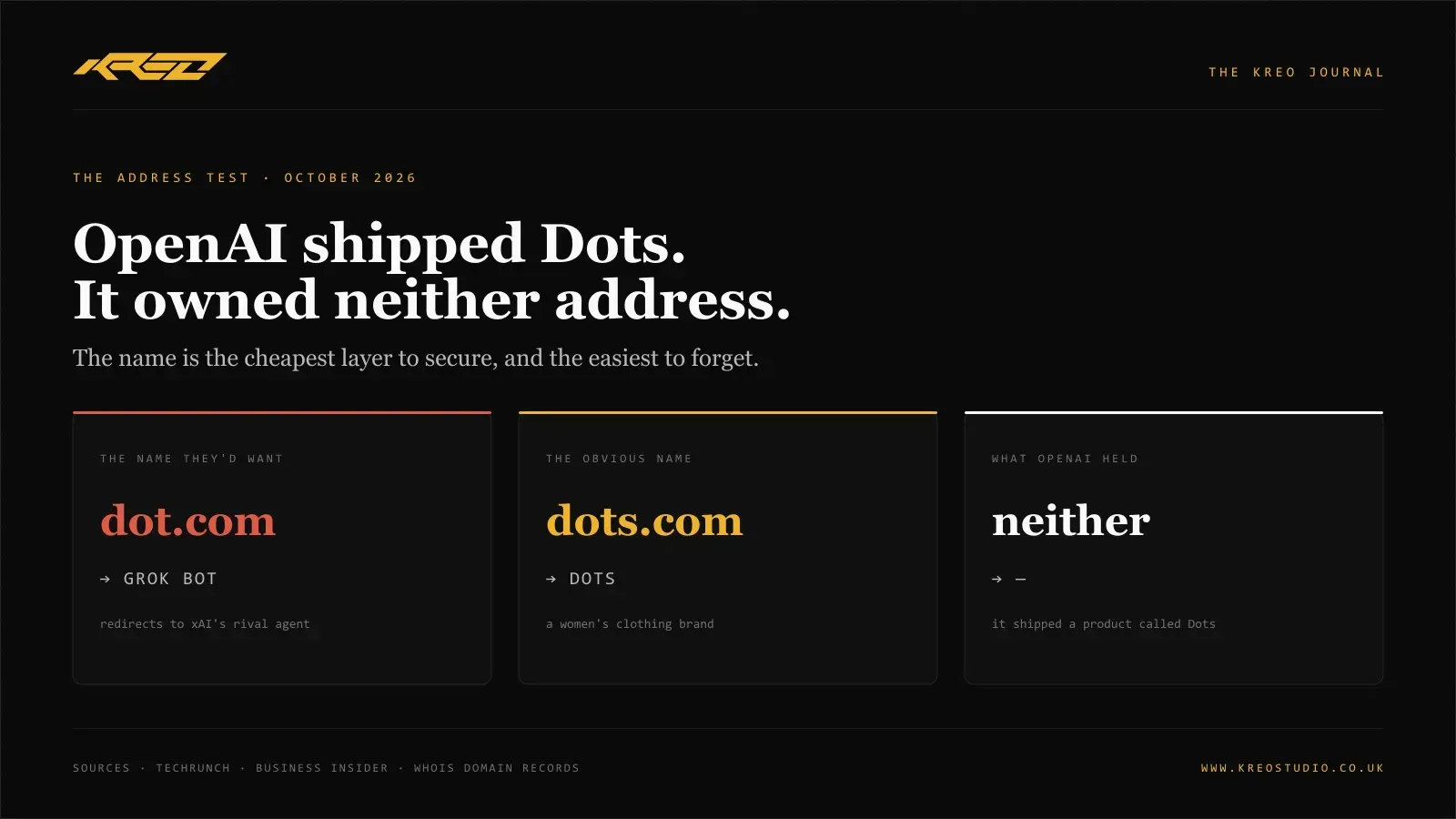
You Built the Product. You Forgot to Own the Name.
OpenAI launched a flagship agent called Dots and owned neither dot.com nor dots.com. One address went to a rival, the other to a clothing brand. It is the funniest ownership lesson of the year, and the cheapest layer to get right.
Analysis · The Industry
Models Are the Games: Why OpenCode Is Building the Console
The frontier labs are racing to build the smartest models in history. OpenCode is playing a different game entirely: not the title, but the console it runs on. A working engineer's notes on why the gateway to intelligence may matter as much as the intelligence itself.
The Industry
Grok 4.7: The Benchmarks, the Price, and the Gap It Still Has to Close
xAI’s Grok 4.7 is its strongest model yet, and one of the cheapest frontier-adjacent APIs on the market.
The Industry
Running LLMs On-Prem: Private AI Without Sending Your Data to the Cloud
You don't have to send your data to OpenAI to use a capable language model. Here's what it takes to run LLMs on your own hardware, and why more businesses are choosing to.
The Industry
RAG That Doesn't Hallucinate: Grounded AI With Citations
A language model on its own makes things up. Wired to your documents with retrieval and citations, it doesn't have to. Here's how grounded AI actually works.
The Industry
Fast, Cheap LLM Inference on a Single GPU
You don't need a data centre to serve a capable model. Here are the levers that turn one GPU into a fast, cost-efficient inference server.
